
A Culture That Hides Death
Death is not something that we naturally want to think about. We have within us a deep desire to live, and to experience good and beautiful things in this life. God has implanted, deep within our hearts, a longing for eternity. Have you noticed how often we hear about medications, treatments, and fitness programs that promise to extend our lives? This is not even to mention the topic of transhumanism and what artificial intelligence is building. Some of the wealthiest people in the world are now spending fortunes in the hope of living forever on this earth.
Do not get me wrong. There is nothing immoral about caring for our health. We have a serious obligation to be good stewards of our bodies. It is important to eat well, sleep well, and get some good exercise every day. Our bodies are a gift from God and temples of the Holy Spirit. But this newfound longevity movement, which hopes to extend life indefinitely without asking why, or what life is for, mistakes the means for the end.
Our society has also grown exceptionally good at not only avoiding death, mourning, and grief, but at hiding them altogether. Funeral rites are abbreviated and, at times, are replaced with a “celebration of life.” We have a modern tendency to dispose of the dead very quickly and efficiently. The widespread choice of cremation and scattering the ashes instead of the traditional burial of the body (the Church prefers burial of the body and permits cremation, but never allows the scattering of the remains) also speaks to how reluctant our culture is to confront the reality of our mortality. Problems arise when death comes close, as it eventually does for all of us, and often we are ill prepared to face it.
Keep Death Daily Before Your Eyes
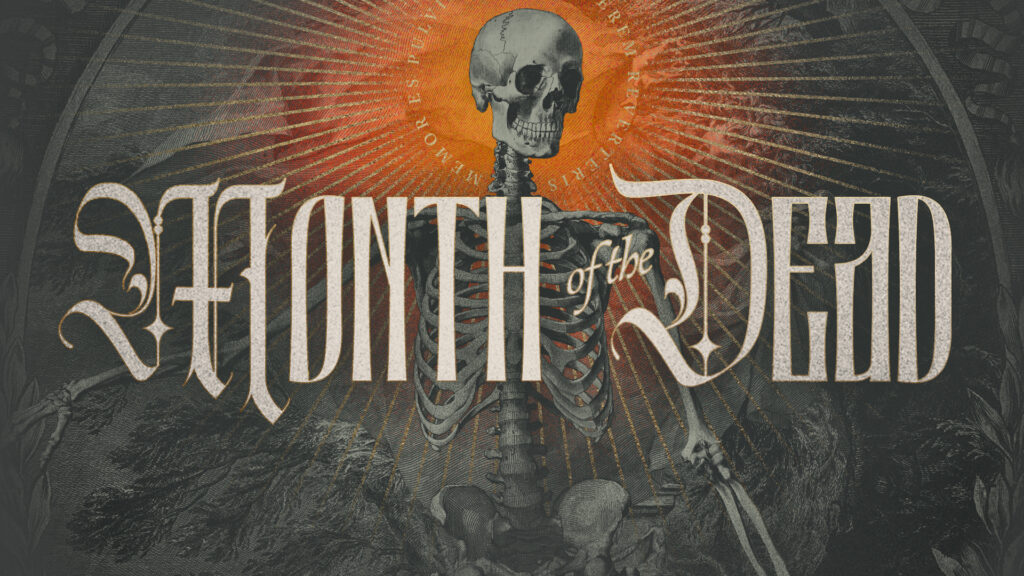
For us Christians, it should not be so. We should nurture within ourselves a healthy understanding of memento mori, or “remembrance of death.” In this spirit, St. Benedict gave his monks the instruction to “keep death daily before one’s eyes.” That may sound morbid to modern ears, but the saints understood it as a path to true freedom.
A man who remembers that his time is finite and limited learns better to stop wasting it and begins to order his life toward the things that will last, the permanent things. Every funeral we attend should be a little memento mori, for as Our Lord reminds us, we know neither the day nor the hour (Mt 25:13). The newest Doctor of the Church, St. John Henry Newman, once wrote that “what we see is the outward shell of an eternal kingdom; and on that kingdom we fix the eyes of our faith” (The Invisible World, Parochial and Plain Sermons, vol. 4, Sermon 13).
The Sting and the Victory
Even when we keep death before our eyes, there is unquestionably a sting to it, and we all experience it. I was privileged to offer the Mass of Christian Burial and the funeral rites for my father, Carl, a World War II veteran, and years later for my mother, Betty, who passed away at the remarkable age of 92. Not a day goes by that I do not remember them, and I continue to miss them dearly and pray for them. But Our Lord came into this world to conquer death, and He takes away its sting through His suffering, death, and resurrection. He rose in a glorified body that death cannot touch, and He opens that life to all who believe in Him. That is why St. Paul can taunt death: “Where, O death, is your victory? Where, O death, is your sting?” (1 Cor 15:55).
Use Well the Interval
We begin November with our ultimate end in mind, the blessed life of heaven with the angels and saints. This year, November 1, All Saints Day, falls on a Sunday. We begin that celebration on All Hallows Eve, with the Vigil Mass of Sunday on October 31. Keeping the end always in mind, we turn immediately to all the souls in purgatory on November 2, All Souls Day, when the Church directs us to be more attentive to praying for the dead, especially those forgotten souls who have no one to pray for them. In fact, each day of November we have an opportunity to remember our own death, memento mori, and to pray for all those who have gone before us.
The Church, in her liturgical calendar, has always given this time of year a particular character. As the liturgical year draws to a close, the readings at Mass turn our attention to the “last things” and to the day when Christ will come again to judge the living and the dead. The early Christians did not meet that day with dread. On the contrary, they longed for it, praying, “Maranatha! Come, Lord Jesus!”
The ancient Christian practice of memento mori, “remember your death,” is not meant to make us gloomy. A man who keeps his death before his eyes learns to live with clarity and purpose. He stops wasting time on what will not last and begins to invest in a life of wisdom and joy.
Exodus 90 and Memento Mori
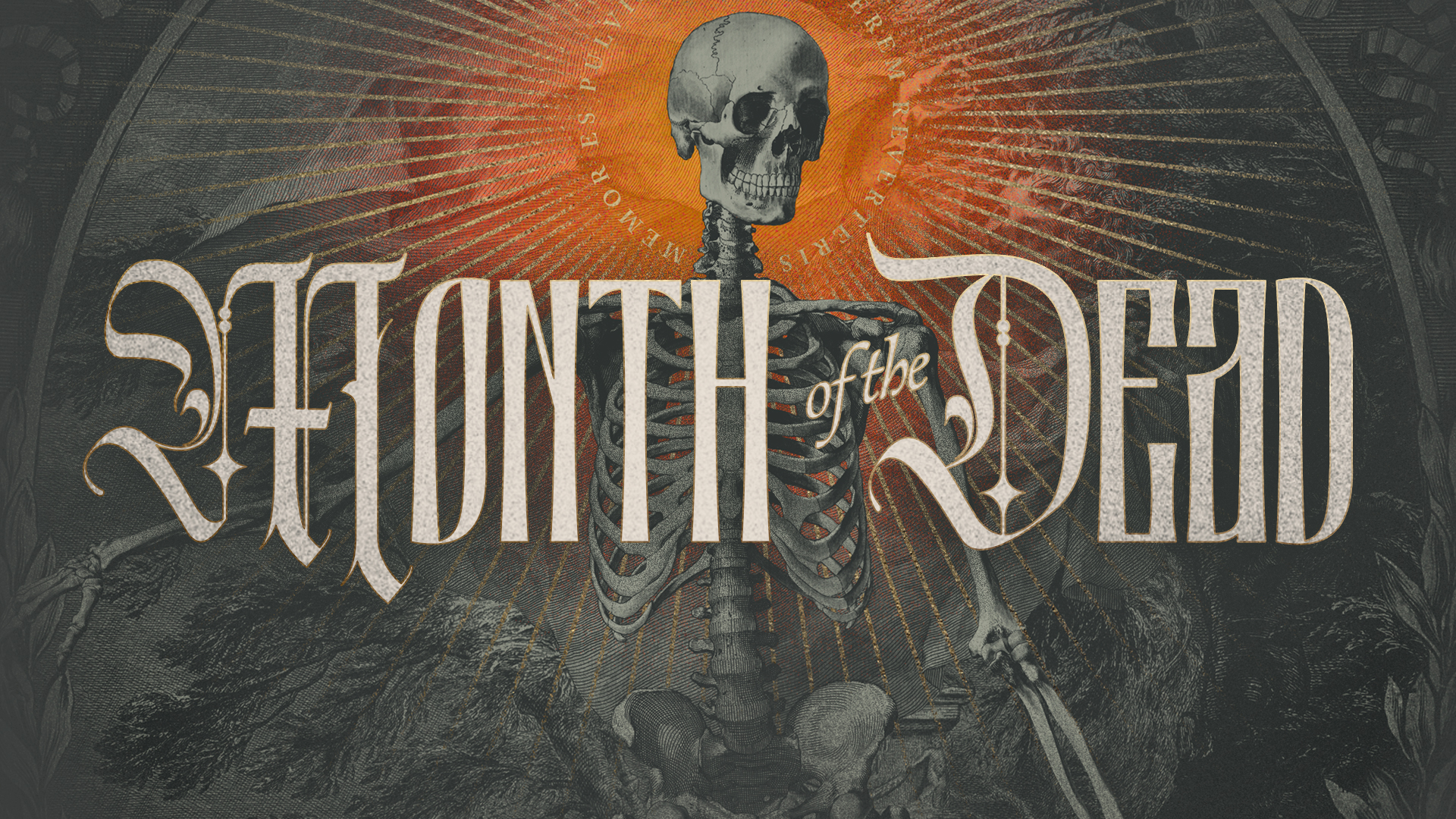
During November, I will be producing daily reflections for the Memento Mori challenge for Exodus 90, an apostolate focused on men’s Catholic faith formation. The challenge on the Exodus 90 app will start October 31. Together we will pray for our deceased loved ones and discover the true wisdom that comes from God alone, as we read and meditate on the Wisdom Books of the Bible.
Let us begin with the words of Gerontius, the dying man in Newman’s great poem, as he rouses his soul for the last battle of his life and urges it to “use well the interval,” a fitting charge for all of us this November.
Rouse thee, my fainting soul, and play the man;
And through such waning span
Of life and thought as still has to be trod,
Prepare to meet thy God.(St. John Henry Newman, The Dream of Gerontius)
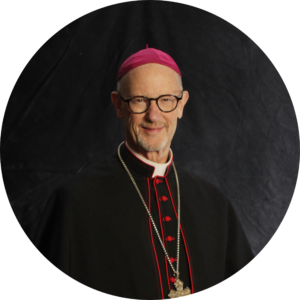
Bishop James D. Conley is the Bishop of Lincoln, Nebraska, and the Spiritual Guide for Exodus 90’s Month of the Dead program starting October 31st.