

After laying out some biblical principles of human work, and especially after reflecting on the toil involved with work, we move on to some common temptations (and remedies) that are connected with the toilsome character of work.
Still, beginning with acedia might be baffling, since there is no doubt that the word “acedia” is a rare one.
It is pronounced either “uh-SEE-dee-uh” or “uh-CHAY-dee-uh,” and it is one of the so-called seven deadly sins.
We are more likely to encounter the word “sloth,” though even this term seldom pops up.
Perhaps it is for the best because sloth has become associated almost exclusively with laziness and inaction.
But the reality of acedia is much broader, and its roots much deeper, than this.
In the earliest centuries of Christianity, the most radical form of living out the faith was that adopted by the desert fathers (and mothers!)— those monastics who left the hustle and bustle of the world to encounter God, and themselves, more intimately and intensely in regular prayer and relative isolation.
It is out of this experience and the reflection surrounding it that we have come to know the capital vices, otherwise known as the seven deadly sins.
Although they all challenge the Christian in important ways, the idea of acedia applies especially to work and serves as a helpful diagnostic tool in thinking about our own vocation to work.
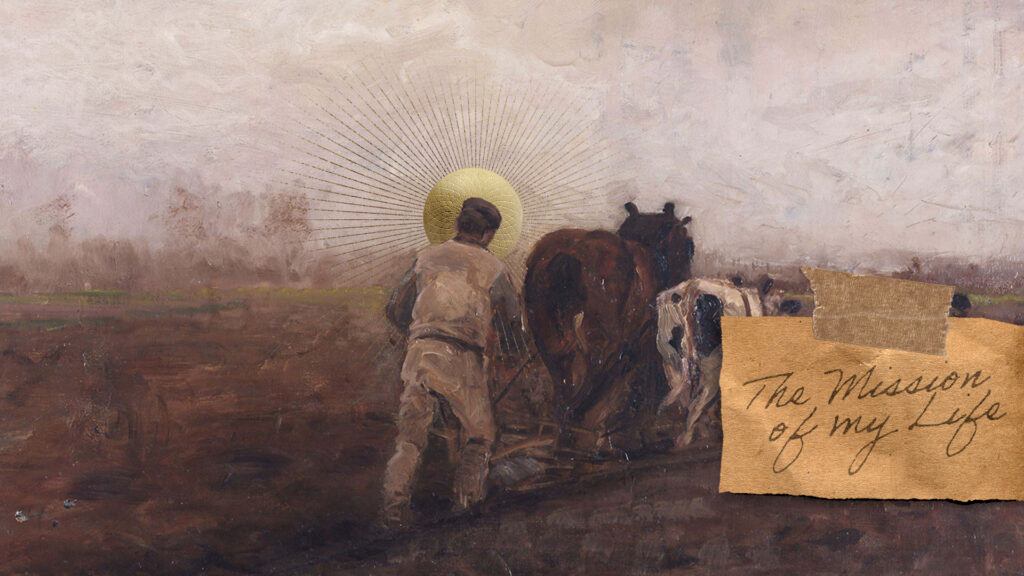
The early desert monks sometimes called acedia “the noonday demon” because it often begins to set in around the middle of the day, when the sun is bright and hot and tiredness begins to dull the mind and diminish the will’s resolve.
Thus, it is not only physical tiredness but also weariness with one’s current task, with one’s occupation, and, ultimately, with one’s life or vocation.
Evagrius of Pontus (346–399), one of the desert fathers, paints a vivid picture of how this demon tempts the monk and disrupts his life: time seems to slow down, and the day seems interminably long; the monk is prompted to look continually at the window, then out of it, and finally, to step outside his cell.
He looks around, checking the time by the sun and seeing whether any of his fellow monks are near to distract him.
He begins to hate the place he is in, to view work and life as distasteful, even unbearable.
He asks himself, “Can’t God be worshipped everywhere?
Why must I remain here, doing this work… and for my whole life?”
It is the last line that gets to the heart of the matter: why should we stick to the work before us if God can be glorified in many other ways?
The essence of the temptation is to be lured away from the vocation and path that God has placed before us and that we have, in one way or another, committed to.
In our work, the most frequent symptom of this illness is dissatisfaction that can lead us to distraction or even to give up on completing a task or job with excellence.
We cut corners; we look for outs; we make excuses.
Ask the Lord to reveal the times or areas in our work where we fall prey to sloppiness, distraction, despair, or making excuses.
Plead with him for the grace to see how and when we stumble under the weight of acedia, “the noonday demon.”